School Suspensions in England Are Close to Reaching One Million
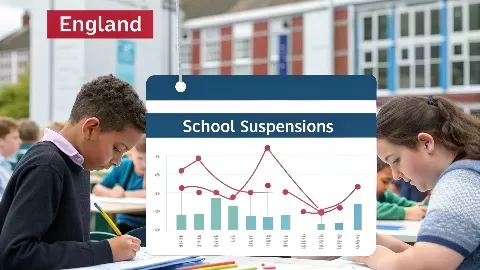
With an all-time high since the year 2006, the number of suspended kids in England is now being reported by the Department for Education. While mostly kids in secondary school are being sent home, over 100,000 are in primary school. This number has gone up astronomically.
Once suspended, a student is expected to stay away from school for a definite period—rather, they may not be allowed for 45 days in one year. Expulsion is permanent. Often a certain set of kids get suspended more than once.
The authorities say they are trying to solve big problems that lead to offenses. They're focusing attention and support on 500 of the most problematic schools. The largest single factor for suspension is misconduct, comprising 50% of all suspensions and 39% of exclusions. Nearly half of those suspended require additional learning support—they are three times more likely to be suspended.
Also, students on free school meals are disproportionately excluded, accounting for one quarter of enrollments and 60 percent of suspensions. Paul Whiteman, for the NAHT school leaders' union, said schools alone cannot fix the root causes of misbehavior. "Schools must keep all kids safe and only send kids home when they've tried everything else," he noted. The kids cry and need extra attention for lots of reasons, all of which start outside the school. They face tremendous inferiority: being poor, not having sufficient support for special needs, or being severely depressed.
Most kids get sent out—90% get sent out in secondary school, especially in Year 9. However, in primary schools, even more kids were getting sent out—a 24% increase from the prior year. Most of the primary children who got suspended were getting support for special needs, while less than half of the secondary-aged children were. The charity helping these families in London says that 90% of suspended primary-aged children will not pass key tests in English and math.
Sophie Schmal, the lead, said that the increase in suspensions in primary schools is a concern. We need to support kids at a very early age. We cannot wait until they are older.
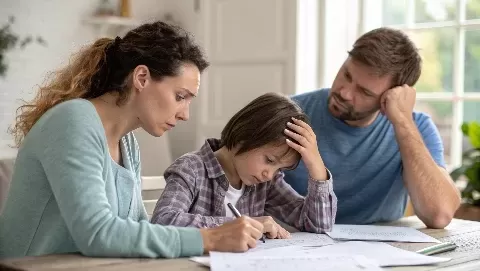
Sarah is a mother in London who is not using her real name. Her six-year-old boy was suspended many times in early primary for hitting and throwing things. Even though the school people said he might be on the autistic spectrum, he kept getting suspended, and he was rejected. The woman said, "Since he was three, my son was called the bad and tough kid when he just needed help." "As soon as I saw that he needed more aid, I went looking for help, but they chose to wait until it was too late." Sarah then sent her son to a different school where the boy is receiving more help.
In early education, Stephen Morgan declared that the Labour group has "not wasted time in dealing with the main causes of bad acts," including promoting mental health for all schools and having more free meals. He was referring to newer establishments for good ways to be at school and at home to help 500 schools "in the greatest need of assistance." Morgan said, "We keep hearing from parents while making changes to SEND arrangements alongside enhancing and speeding up the level of assistance for speech, concentration difficulties, and autism."