Harvard Grapples with Islamophobia and Antisemitism as Federal Funding Freeze Intensifies
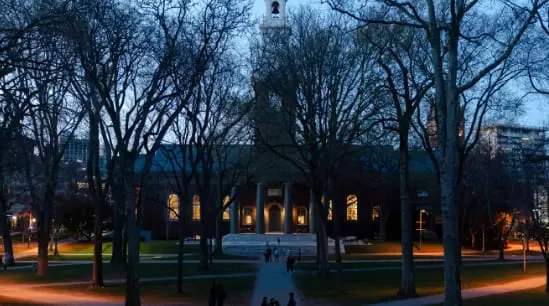
Harvard University is facing intense pressure from the federal government and is working to address growing concerns about both Islamophobia and antisemitism on its campus. Internal reviews released on April 29 revealed a disturbing climate of fear and anxiety among both Muslim and Jewish students and staff.
Key Findings of the Harvard Reviews:
- Islamophobia: Nearly half of Muslim students and staff reported feeling unsafe on campus since the start of the Israel-Hamas war. Over 90% believed they could face academic or professional repercussions for expressing their opinions. Many felt "abandoned and silenced" by the university.
- Antisemitism: Jewish students reported hiding their identities or taking leaves of absence to avoid harassment. Many felt uncomfortable expressing their political opinions. Some classes and study abroad programs were described as offering a "disturbingly one-sided education on Israel-Palestine." There were complaints of an anti-Zionist "monoculture" at the medical school.
Federal Funding Freeze and Harvard's Response:
The Trump administration's antisemitism task force has frozen billions of dollars in federal funding for Harvard, demanding sweeping changes to its admissions, hiring, and teaching practices. Harvard President Alan Garber, who is Jewish, has vowed to take the review findings seriously but has pushed back against the government's demands.
Garber argued that the government's directives represent an overreach and an attempt to control the "intellectual conditions" at Harvard. He stated that no government should dictate what private universities can teach, whom they can admit and hire, and which areas of study and inquiry they can pursue. Hundreds of college presidents have publicly supported Harvard's stance.
Impact on Campus Life:
The reports highlighted that the rise in external harassment, including "doxxing trucks," had devastating effects on students. Death and rape threats prompted students to feel unheard by leadership and isolated from their communities.
The Road Ahead:
Harvard is now tasked with addressing the concerns raised in the reviews and creating a more inclusive and respectful environment for all students and staff. The university's response will be closely watched, as it navigates a complex landscape of political pressure, free speech, and the need to combat both Islamophobia and antisemitism.